What Is Steam-Roasting—and Why Does It Keep Food Tender?
When chicken breast becomes tough or fish dries out, heat and moisture are usually the issue. Steam-roasting is designed to manage both.
Steam-roasting combines steam with oven heat
Dry heat develops colour and aroma; steam helps ingredients retain moisture. It suits lean chicken, seafood and vegetables that can dry out when overcooked.
How it differs from other methods
- Boiling cooks food in water and does not brown the surface.
- Deep-frying is fast and crisp but adds oil.
- Dry roasting develops aroma but can overcook lean meat or seafood.
- Steam-roasting combines roasted aroma and colour with retained moisture.
Time and temperature follow clear standards
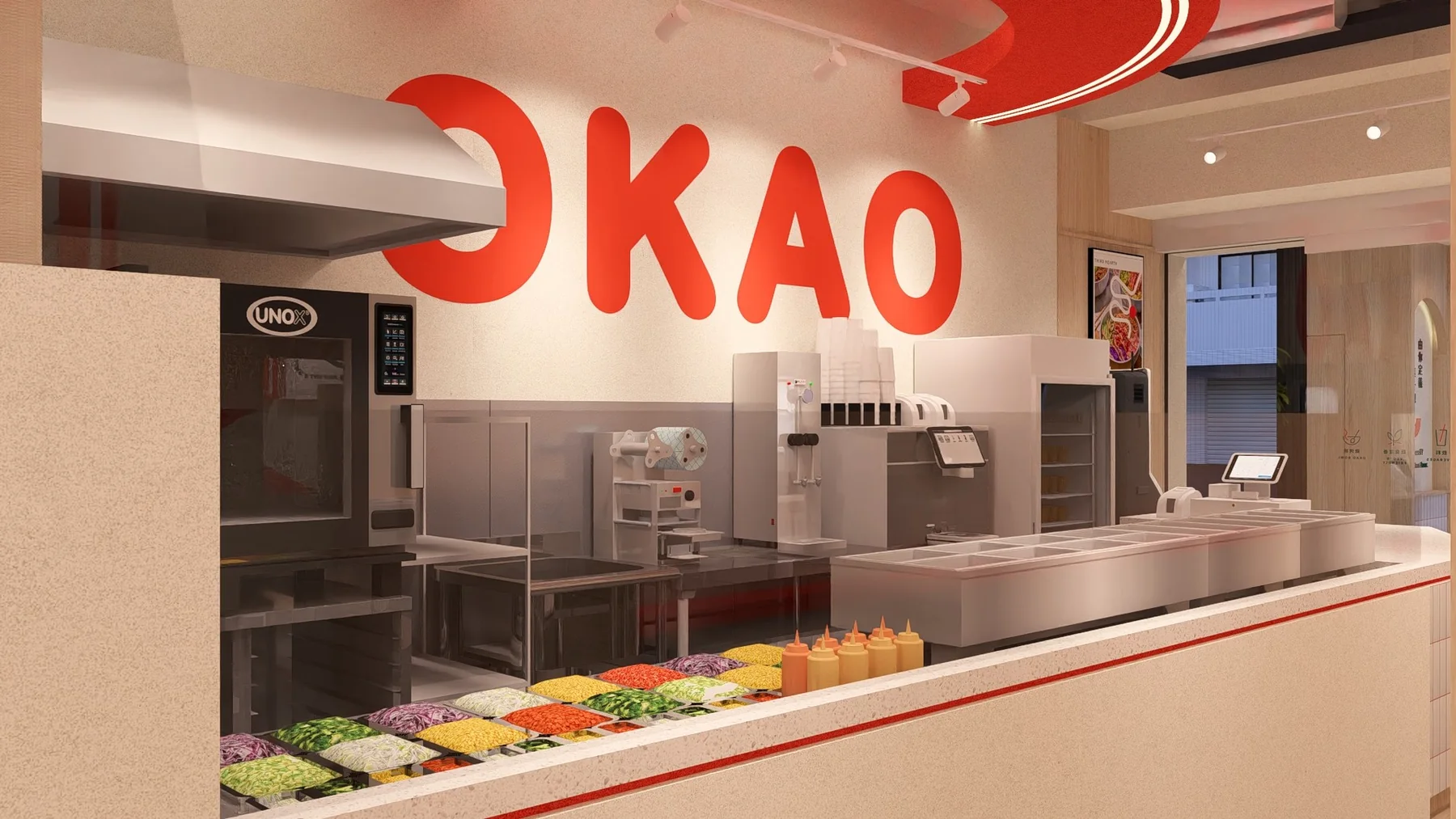
THIRD HEARTH uses steam-roasting equipment with defined settings for each ingredient so flavour and texture can be repeated across different times and team members. This is Craft Fire: skill expressed through a dependable process.
What we steam-roast
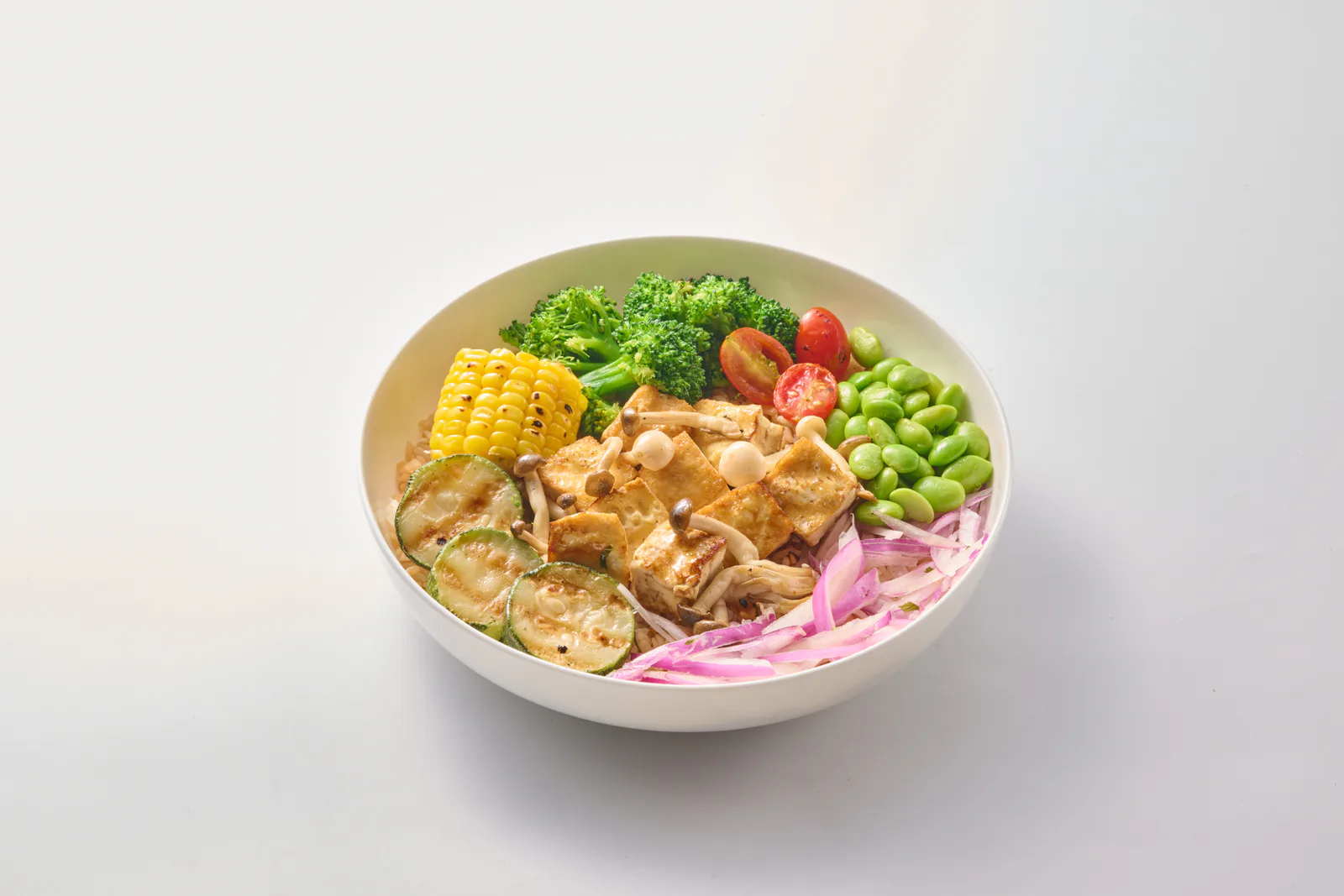
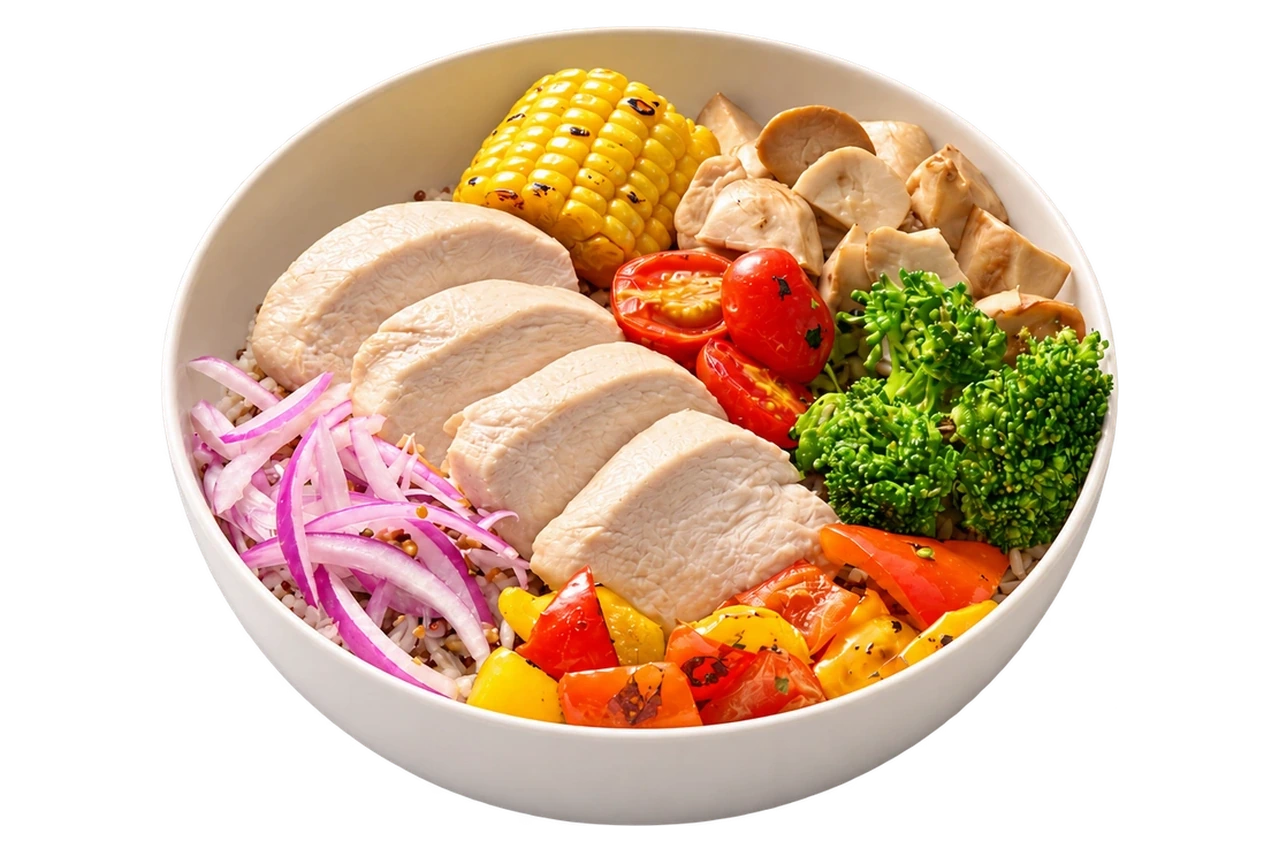
- Proteins include Italian and Thai Lemongrass Chicken Breast and Thigh, Lime Leaf Fish, Garlic Shrimp, Flat Iron Steak and Salmon Fillet.
- Hot sides include broccoli, king oyster mushroom, potato, corn, carrot, sweet potato, seasonal vegetables and courgette.
- Sous Vide Chicken Breast uses low-temperature sous vide cooking; Tofu & Mushroom is seared.
Where the name comes from
The OKAO Bowl draws on European hearth cooking and the American power bowl, adapted to Asian habits: rice, hot vegetables and bold seasoning. THIRD HEARTH created the name OKAO Bowl for this new category.
FAQ
01Does steam-roasting take longer?
Most items are made when ordered. Fish, shrimp, steak and salmon are marked for a 5–15 minute wait.
02Will takeaway still be hot?
Proteins and hot vegetables are made to order and packed with warm rice. Order online before travelling to the store when time is tight.